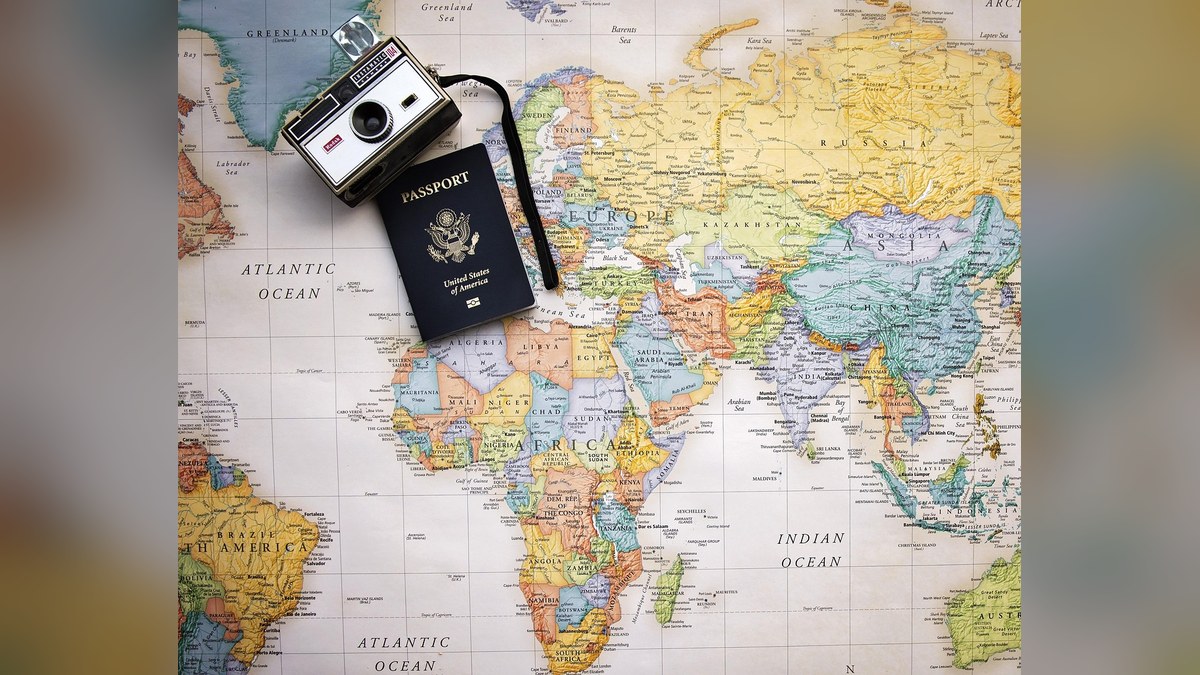
Photo: Photo by Pamjpat on Pixabay
US Passport Stalls at 10th in Global Ranking; UAE Surges
The latest Henley Passport Index shows a clear shift in global mobility power, with the United States passport stuck at 10th place while the United Arab Emirates climbs rapidly.
According to Skift, the U.S. passport offers visa-free access to 180 destinations, just one more than in January. The U.S. now trails 36 countries in the ranking, as multiple nations can share a single rank. In October 2025, the U.S. fell to 12th place for the first time in the index’s 20-year history.
Henley’s report describes the U.S. stagnation as part of ‘a longer-term shift in mobility power away from the traditional transatlantic leaders,’ including the United Kingdom, which dropped from third to sixth place over two decades.
‘The ability to travel visa-free to a wide array of destinations is no longer merely a convenience — it’s a powerful economic tool that can drive growth, foster international cooperation, and attract foreign investment,’ the report states.
For Brazilian travelers and tourism professionals, this shift matters. Brazil’s own passport currently ranks 19th, according to Henley, with visa-free access to 170 destinations. That puts Brazil ahead of China (69th) but behind Chile (16th) and Argentina (17th) in South America.
What does this mean for tourism? Passport rankings influence where airlines open routes, how hotel groups invest, and which destinations become easier for business travelers. A strong passport attracts investment and boosts outbound tourism spending.
The UAE passport now ranks 1st, with visa-free access to 185 destinations, up from 12th place a decade ago. Singapore and Japan share the top spot with 192 destinations each.
For Brazil, improving passport strength could unlock more direct flights from Asia and the Middle East, boosting inbound tourism. The current government has discussed bilateral visa waiver agreements with several countries, but progress remains slow.
Brazilian travelers, meanwhile, benefit from visa-free access to most of South America, Europe’s Schengen area, and many Caribbean nations. But they still need visas for the U.S., Canada, Australia, and Japan.
As global mobility shifts, travel companies should watch these trends in real time. A country’s passport strength directly affects how easily its citizens can explore the world — and where they spend their tourism dollars.