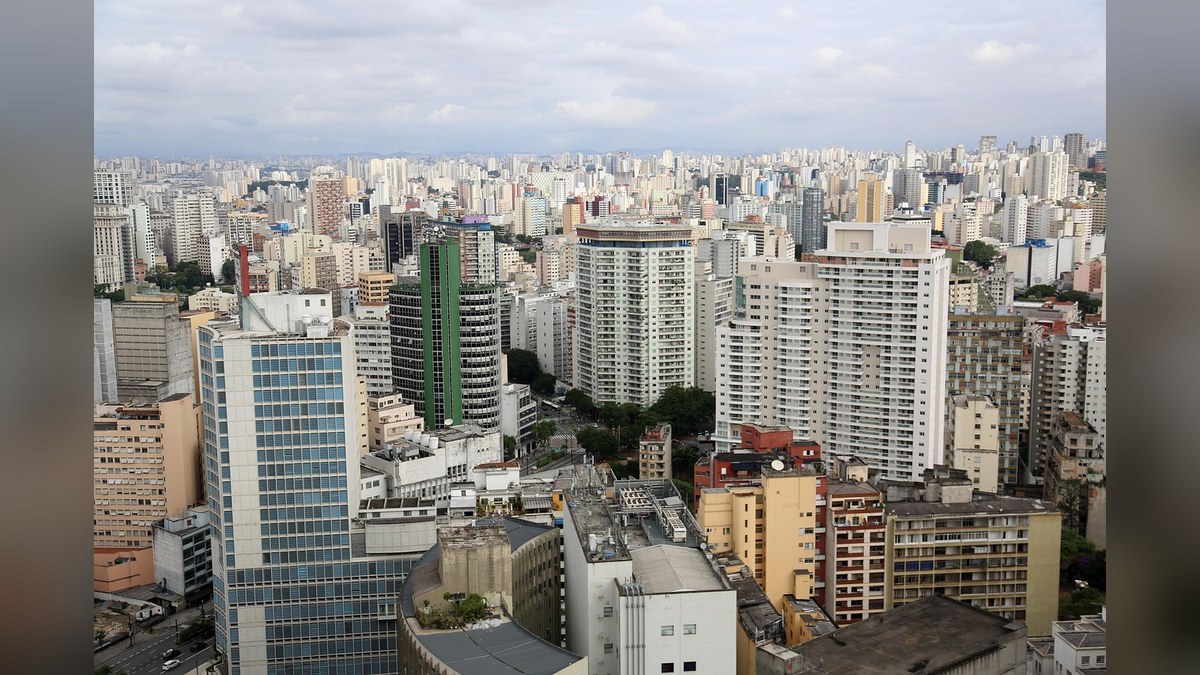
Photo: Photo by joelfotos on Pixabay
São Paulo Court Mandates Authorization of Uber Moto Within 48 Hours
In a significant turn of events, a São Paulo court has ordered the municipal government to authorize Uber Moto within 48 hours, according to riotimesonline.com. This ruling by Judge Patrícia Persicano Pires of the 16th Public Finance Court on July 21, 2026, has set the stage for a potential return of motorcycle ride-hailing in Brazil’s largest city. Failure to comply will result in a daily fine of R$5,000 (~US$980).
São Paulo’s municipal government had previously rejected Uber’s credentialing request for the motorcycle service on July 15, 2026, arguing that motorcycle ride-hailing necessitates specific local regulation due to safety concerns. The city’s administration, led by Mayor Ricardo Nunes, has shown a consistent resistance to court orders regarding this matter.
The legal basis for the ruling relies on Supreme Federal Court (STF) case law, which states that municipalities cannot create regulations that effectively ban services permitted under federal law. Judge Persicano Pires specifically cited a measure by STF Justice Alexandre de Moraes that suspended municipal requirements for additional insurance policies. The judge determined that São Paulo’s restrictions conflicted with higher-law rulings and that the municipality had overstepped its legal authority by imposing extra barriers beyond federal rules.
Uber has responded positively to the court’s decision, emphasizing its commitment to passenger and driver safety and highlighting the provision of personal accident insurance for riders. The company argues that motorcycle ride-hailing is permitted under federal law and offers a more affordable alternative in a city where public transit can be overcrowded.
For riders in São Paulo, compliance with the order could mean regaining access to a cost-effective transportation option. For motorcycle drivers, it could represent an additional income stream. However, as the decision is appealable, there is a period of uncertainty while the judicial process unfolds.
This São Paulo dispute is part of a wider national conversation about app-based transportation regulation in Brazil. The federal government has set baseline rules, but municipalities like São Paulo have sought to add their own requirements. Foreign investors in Brazil’s tech and mobility sector are closely monitoring the case, which illustrates both the opportunities and the regulatory risks in the ride-hailing market.
The regulatory fight over motorcycle ride-hailing in São Paulo is likely to continue, as the city government considers its next steps in higher courts. The outcome will have implications not only for Uber but also for the broader ride-hailing industry and the potential for innovation in urban transportation.