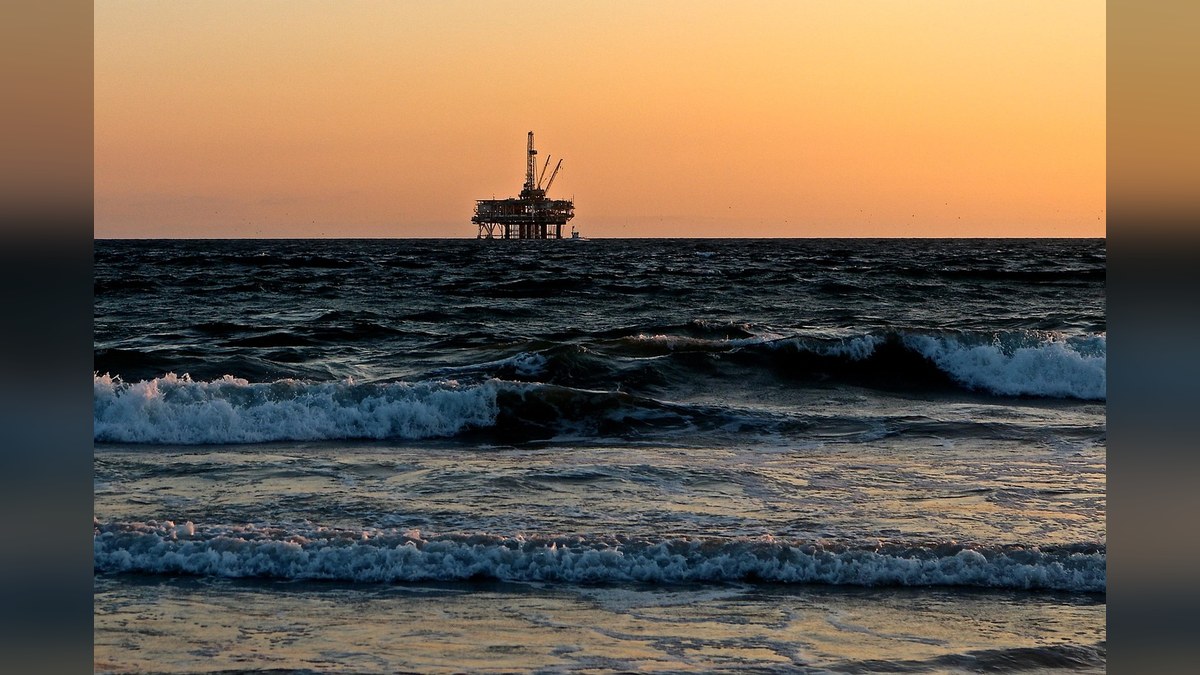
Photo: Photo by catmoz on Pixabay
Guyana's Largest FPSO Errea Wittu Sets Sail for 2026 First Oil
A new chapter in South America’s energy story is unfolding at sea. The FPSO Errea Wittu, ExxonMobil’s fifth and largest floating production, storage, and offloading vessel for the Stabroek Block, has left Singapore and is now heading for Guyanese waters, where it is expected to start producing oil in 2026.
According to riotimesonline.com, the vessel is the centerpiece of the Uaru project and is designed to add roughly 250,000 barrels per day of production capacity. Its name, ‘Errea Wittu,’ means ‘abundance’ in the Warrau language, a fitting title for a machine built to unlock vast underwater wealth.
Engineering ‘Abundance’
The Errea Wittu is far more than a ship; it is a sprawling industrial facility engineered for the deep waters off Guyana’s coast. Built by MODEC, a global leader in floating production systems, the vessel is purpose-built for the Uaru field. Its technical specifications are staggering: a gas treatment capacity of 540 million cubic feet per day, water injection capacity of 350,000 barrels per day, and storage for 2 million barrels of crude.
ExxonMobil Guyana has described the unit as the largest in the country’s fleet, a title that carries weight given the scale of operations already in place.
The Uaru Project and the 250,000 Bpd Milestone
The Uaru project represents the fifth major development within the prolific Stabroek Block. ExxonMobil and its co-venturers, Hess Corporation and CNOOC, officially sanctioned the project with a final investment decision on April 27, 2023. From the outset, the consortium targeted a 2026 startup date, a timeline that the vessel’s departure now appears to be meeting.
Once online, the Errea Wittu will push Guyana’s installed capacity to new heights. With existing production having reached 900,000 bpd in late 2025, the addition of this vessel would lift installed capacity to roughly 1.15-1.2 million bpd, though the field ramps up gradually rather than reaching full rates immediately.
Transforming Guyana’s National Output
The arrival of the Errea Wittu marks a key moment for Guyana’s economy. On November 12, 2025, ExxonMobil announced that production across its existing three operating FPSOs had reached a combined milestone of 900,000 barrels of oil daily. This figure already placed Guyana among the world’s fastest-growing oil producers.
For travelers and observers of Latin America’s economic landscape, the ripple effects are visible onshore. Oil revenues are funding massive infrastructure projects, from new hospitals and schools to highways and a deep-water port. The production sharing agreement with the consortium ensures that the government receives a significant share of the profits, alongside royalties.
A Fleet of Giants in the Stabroek Block
To understand the significance of the Errea Wittu, it is essential to view it within the context of ExxonMobil’s broader Guyanese armada. The first vessel, Liza Destiny, began production in 2019, proving the viability of the basin. It was followed by Liza Unity, Payara, and Yellowtail, each progressively larger and more complex.
Now the Errea Wittu joins this fleet, bringing with it the promise of ‘abundance’ — not just in oil, but in the economic transformation that follows.
Economic Implications for Guyana
The sheer volume of oil flowing from vessels like the Errea Wittu is rewriting Guyana’s fiscal destiny. The country’s GDP has experienced explosive growth, and the government’s share of profits is channeled into public works that are changing the face of the nation.
For those watching the region, the Errea Wittu is more than a feat of engineering; it is a symbol of how quickly a small nation can rise on the global stage. As the vessel sails toward its new home, the countdown to 2026 has begun.
Sources: ExxonMobil Guyana, as reported by riotimesonline.com.