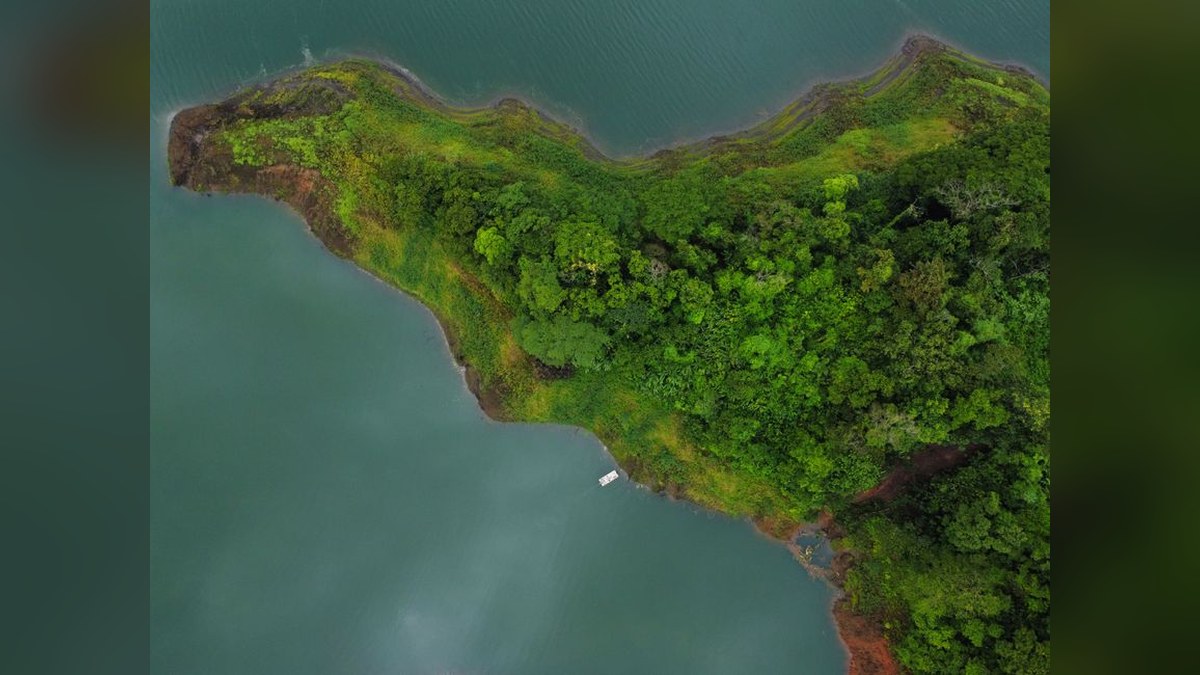
São Tomé and Príncipe: Africa's 'Leve Leve' Eco-Destination — Photo: Photo by Brian Parra Artavia on Pexels
São Tomé and Príncipe: Africa's 'Leve Leve' Eco-Destination
In an era when many destinations struggle with overtourism, São Tomé and Príncipe has quietly chosen a different path. This tiny two-island nation in the Gulf of Guinea, often called ‘Africa’s Galápagos,’ proves that tourism success isn’t measured by arrival numbers alone. Instead, the archipelago has embraced a model centered on conservation, culture, community, and exclusivity—attracting travelers who value authenticity over crowds.
Rather than opening itself to mass tourism, São Tomé and Príncipe has positioned itself as one of Africa’s most pristine eco-destinations. Visitors discover ancient rainforests, volcanic landscapes, deserted beaches, colonial history, and the relaxed rhythm of ‘leve leve’—the local philosophy of living life slowly and stress-free.
A Natural Paradise Unlike Any Other
São Tomé and Príncipe ranks among the world’s most biologically important island ecosystems. Scientists have identified more than 700 plant species, including over 200 species of orchids, while 135 bird species have been recorded, many found nowhere else on Earth.
Recent years brought discoveries of entirely new species, including the Príncipe shrew and the São Tomé mamba, illustrating how much biodiversity remains unexplored. Large areas of primary rainforest remain virtually untouched, creating one of the highest concentrations of endemic birds anywhere—earning the nickname ‘Africa’s Galápagos.’
Marine life is equally remarkable. Humpback whales migrate through surrounding waters, dolphins are commonly seen offshore, and several species of endangered sea turtles return each year to nest on secluded beaches. For naturalists, birdwatchers, photographers, and conservationists, few destinations offer such extraordinary biodiversity within such a compact area.
The Islands in the Middle of the World
São Tomé and Príncipe proudly calls itself ‘The Islands in the Middle of the World.’ The Equator crosses the small island of Rolas, while the Prime Meridian lies only six degrees to the west. According to the theory of continental drift, this region marks one of the places where Africa and South America were once connected before drifting apart millions of years ago.
Príncipe also holds a unique place in scientific history. During the famous 1919 solar eclipse expedition, observations on the island confirmed Albert Einstein’s Theory of General Relativity, forever linking this tiny tropical island with one of humanity’s greatest scientific achievements.
UNESCO Recognition Elevates the Destination
The country’s international profile received a major boost in 2026 when UNESCO inscribed the Roças of São Tomé and Príncipe as the nation’s first World Heritage Site. The designation recognizes six historic cocoa and coffee plantations that illustrate centuries of Portuguese colonial agriculture, forced migration, and cultural exchange. More than architectural landmarks, the roças tell the complex human story behind one of the world’s most important cocoa-producing regions.
The World Heritage inscription is expected to strengthen conservation efforts, encourage cultural tourism, attract international investment in heritage preservation, and further position São Tomé and Príncipe as one of Africa’s most authentic cultural destinations.
Who Is Traveling to São Tomé and Príncipe?
Unlike many tropical islands, São Tomé and Príncipe does not cater to large package holiday markets. Its visitors are primarily eco-tourists seeking unspoiled nature, birdwatchers and wildlife enthusiasts, divers and marine-life lovers, luxury travelers looking for boutique island experiences, scientists and researchers, adventure travelers searching for destinations before they become mainstream, and digital detox travelers escaping overcrowded tourist hotspots.
European visitors dominate arrivals, particularly from Portugal, France, Germany, Spain, Switzerland, and the United Kingdom, reflecting both historical ties and growing interest in sustainable travel. According to the United Nations Economic Commission for Africa, tourism contributes roughly 11 percent of national GDP, international visitors account for almost all tourism spending, and travelers remain an average of 18 days—significantly longer than visitors to many comparable island destinations.
Boutique Rather Than Big
Tourism infrastructure remains intentionally modest. Rather than large international hotel developments, visitors find beautifully restored plantation houses, luxury eco-lodges, boutique beachfront resorts, and charming family-owned guesthouses. High-end properties such as Sundy Praia, Bom Bom, and several restored roças have helped position São Tomé and Príncipe within the premium sustainable tourism market.
Road infrastructure is generally good around the capital, São Tomé, although travel to remote regions often requires four-wheel-drive vehicles. Tourism services continue to improve, with local guides, whale watching, diving, hiking, and cultural experiences becoming increasingly professional.
Connectivity: Better Than Many Expect
Accessibility remains one of the country’s greatest challenges, yet international connectivity has steadily improved. São Tomé International Airport (TMS) is served by a select group of airlines connecting the islands with Europe and key West and Central African hubs.
TAP Air Portugal operates direct flights between Lisbon and São Tomé, providing the principal gateway to Europe, with connections through Accra, Ghana. STP Airways, the national carrier, connects São Tomé with Lisbon and operates domestic services between the two islands. TAAG Angola Airlines links the islands with Luanda, while Afrijet operates regional flights between Libreville, Gabon, and São Tomé, also serving domestic routes.
Domestic flights between São Tomé and Príncipe take approximately 40 minutes, making it easy to combine both islands in a single itinerary. Although airline options remain limited, that very limitation has helped preserve the country’s exclusive appeal. Airfares are generally higher than those to more established island destinations, but visitors often consider the experience well worth the additional investment.
Digital Connectivity and Costs
Mobile coverage now reaches most populated areas, internet penetration continues to expand, and Wi-Fi is available in nearly all hotels, restaurants, and tourism establishments, although speeds may vary in remote locations. Social media has become one of the country’s strongest marketing tools, with stunning photography and travel videos on Instagram, YouTube, and independent travel blogs introducing São Tomé and Príncipe to a new generation of travelers.
São Tomé and Príncipe is not a budget backpacking destination. Its remote location means many products must be imported, making prices higher than elsewhere in West Africa. Typical visitor costs include boutique guesthouses at €60–150 per night, luxury eco-resorts at €300–1,200+ per night, restaurant meals at €8–20, guided rainforest excursions at €40–100, and private full-day tours at €100–250. Luxury accommodations remain expensive by African standards but represent excellent value for travelers seeking exclusivity, personalized service, and extraordinary natural surroundings.
As reported by eturbonews.com, São Tomé and Príncipe continues to chart its own course—one that prioritizes authenticity and sustainability over sheer numbers. For travelers seeking a destination that feels undiscovered, this archipelago in the Gulf of Guinea offers an experience that is as meaningful as it is beautiful.