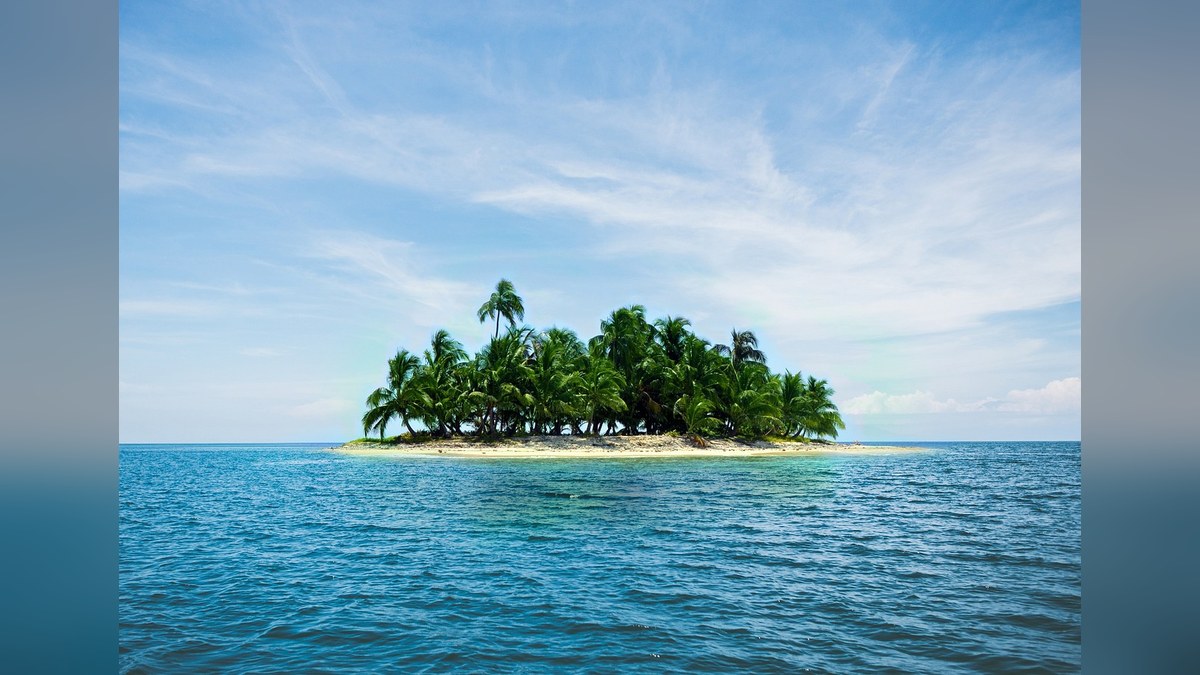
island, vacations, caribbean, palm trees, sand, sea, blue, quiet, beach, lonely, small, landscape, coast, water, nature, summer, island, island, island, island, island — Photo: Photo by Schäferle on Pixabay
Nevis Bets on Scarcity: No Cruise Ships, No Tall Buildings, No Traffic Lights
Nevis, a small island in the Caribbean, has built its tourism brand on a list of things it will not allow: cruise ships, buildings taller than a coconut tree, fast food chains, traffic lights, and large all-inclusive resorts.
Mark Brantley, the Premier of Nevis, is unusually direct about where that list came from. In an interview with Skift in early August, he said the refusals are both a strategy and a constraint the island has learned to market.
‘Nevis is not built to handle volume,’ Brantley told Skift. Rather than treat that as a limitation, the government built its brand around it: luxury without being ostentatious, as he put it, and empty beaches.
The island is also spending money to make itself easier to reach. Ground has been broken on a facility with space for 50 private jets, and the government wants direct arrivals from the U.S. East Coast.
The strategy now depends on Nevis staying scarce while becoming easier to get to. It is a delicate balance: how do you keep the island exclusive while opening the door to more visitors?
For travelers seeking an alternative to crowded Caribbean hotspots, Nevis offers a model based on restraint. The island’s positioning is a reminder that sometimes the best marketing is knowing what to say no to.
As Nevis invests in infrastructure, the question remains whether the refusal-based strategy will hold. The government is spending real money to find out.
For now, the island’s charm lies in what it lacks: no high-rises, no chain restaurants, no traffic jams. Just coconut trees, empty beaches, and a clear sense of what it wants to be.
According to Skift, the Premier’s candidness about what has not worked is part of the appeal. Nevis is not pretending to be something it is not.
The island’s approach could serve as a case study for destinations struggling with overtourism. By limiting what it offers, Nevis creates a sense of exclusivity that luxury travelers crave.
Whether the strategy pays off remains to be seen. But Nevis is betting that scarcity, not abundance, is the future of travel.
For now, the island is a quiet counterpoint to the cruise ship crowds and all-inclusive resorts that dominate the region. And that, according to Brantley, is exactly the point.
As the island moves forward with its plans, travelers can expect the same commitment to restraint. Nevis is not building for volume; it is building for quality.
The next step is making the island easier to reach. With the private jet facility and potential direct flights from the U.S. East Coast, Nevis is positioning itself as a premium destination for those who can afford to skip the crowds.
It is a bold bet, but one that could redefine what success looks like in Caribbean tourism.