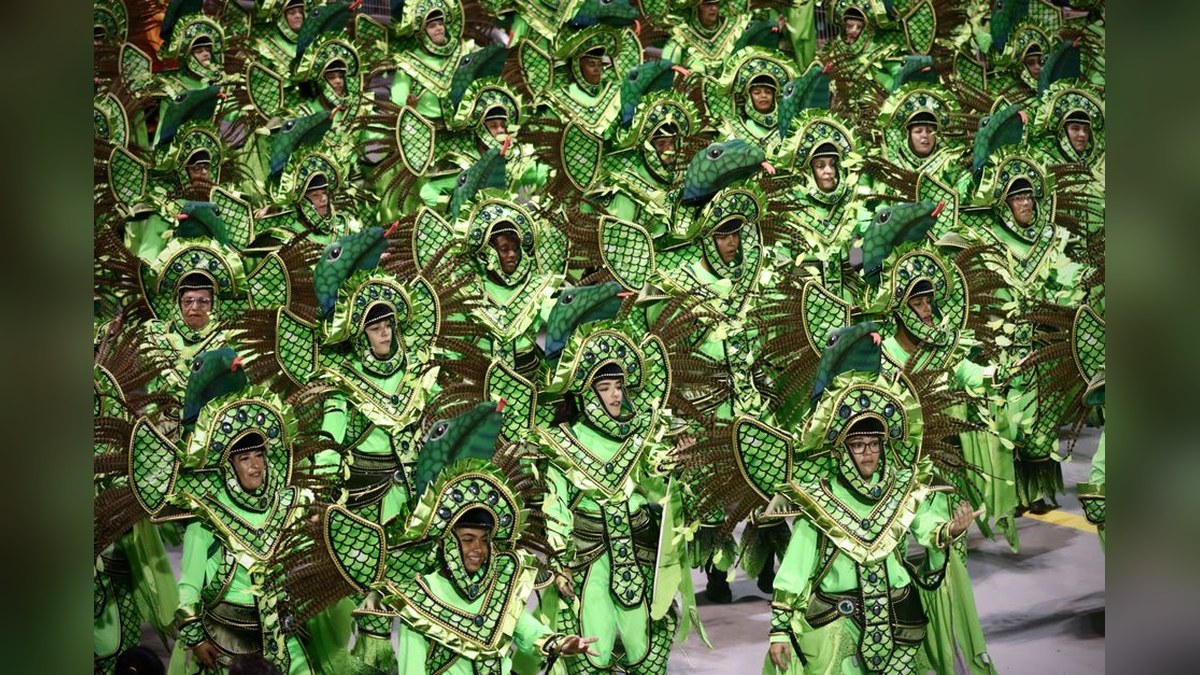
Rio Carnival: From 1723 Street Parties to Global Samba Spectacle — Photo: Photo by Dominiquemel16 Ramos on Pexels
Rio Carnival: From 1723 Street Parties to Global Samba Spectacle
Every year, millions of people pour into Rio de Janeiro for one of the planet’s most electrifying festivals: the Carnival. With its thunderous drums, kaleidoscopic costumes, and towering floats, the event is a sensory overload in the best possible way. But behind the glitter lies a story that stretches back nearly three centuries, shaped by European settlers, African rhythms, and Brazilian creativity.
According to worldhistoryjournal.com, the origins of the Rio Carnival trace to the early 18th century, when Brazil was still a Portuguese colony. European settlers brought traditions of feasting and merrymaking before Lent, the Catholic period of fasting and reflection. These early celebrations featured folk dances and street parties, with participants dressing in vibrant costumes — a practice that endures today.
The first recorded carnival event in Rio took place in 1723, a milestone that laid the groundwork for the festival’s growth. At the time, the celebration was largely unregulated, consisting of public gatherings where locals enjoyed music, dancing, and merriment as they welcomed the approach of Lent.
By the 19th century, the carnival began to take on more structured forms. The introduction of ‘entrudos’ — lively street parties filled with playful pranks and interactive engagement — added excitement to the experience. During this period, different social classes started participating, enriching the festival’s cultural landscape.
As the 1800s progressed, Afro-Brazilian culture became a defining force. Enslaved Africans and their descendants, who played an essential role in shaping Brazilian identity, infused the celebrations with rich musical traditions, particularly samba rhythms. This cultural fusion transformed the carnival’s essence, and samba quickly became its defining soundtrack.
The late 19th and early 20th centuries saw an explosion in the carnival’s popularity. A pivotal moment came in 1928 with the founding of the first samba school, ‘Deixa Falar.’ Samba schools would go on to organize the parades and competitions that characterize the modern Rio Carnival. These community-based groups come together to craft elaborate floats, choreographed dance routines, and exceptional costumes, blending artistic expression with collaboration.
During this time, the carnival gained national recognition as an integral part of Brazil’s cultural heritage. The vibrant parades showcased the nation’s creativity and diversity, drawing in tourists and locals alike. The official recognition of the Rio Carnival stands as a testament to the contributions of various communities, reflecting the shared cultural fabric that binds the city.
In the later decades of the 20th century, the carnival experienced significant innovation. The introduction of televised events in the 1980s brought a wider audience to the celebrations, elevating the festival’s profile beyond Brazil’s borders. This blend of local tradition and global attention continues to shape the carnival’s evolution, establishing it as a premier cultural spectacle worldwide.
The cultural influences behind the Rio Carnival form a rich tapestry. While its origins lie in European customs, its evolution truly reflects Brazil’s multicultural essence. African culture stands out as a major influence: samba originated from African rhythms and styles, and its rise to prominence was revolutionary. The interplay of European classical music, local folk traditions, and African rhythms created a diverse musical landscape that gave birth to samba as the carnival’s defining genre.
Indigenous peoples of Brazil have also contributed, incorporating elements of their rituals, art, and clothing styles into the broader Brazilian identity — and, consequently, into the carnival itself. The result is a festival that entertains while evoking deeper reflections on identity and heritage.
The carnival’s evolution also mirrors socio-political movements. From the 1960s onward, samba music and lyrics often embraced themes of resistance, hope, and the struggles of marginalized communities. These narratives resonated powerfully, turning the carnival into a recurring space for activism, creativity, and self-expression.
Today’s Rio Carnival is the culmination of centuries of diverse influences. Each element of the celebration can be traced back through history, underscoring its importance not just as entertainment, but as a vehicle for artistic expression and cultural identity. The festival continually adapts to contemporary issues and emerging trends, making it a living tradition that resonates locally and globally.
As communities come together during the Rio Carnival, it stands as a vibrant testament to Brazil’s cultural dynamism. It is not just a festival; it is an affirmation of identity, a platform for expression, and a dynamic space where history converges with contemporary culture. For travelers, witnessing this spectacle is to experience the very soul of Brazil.