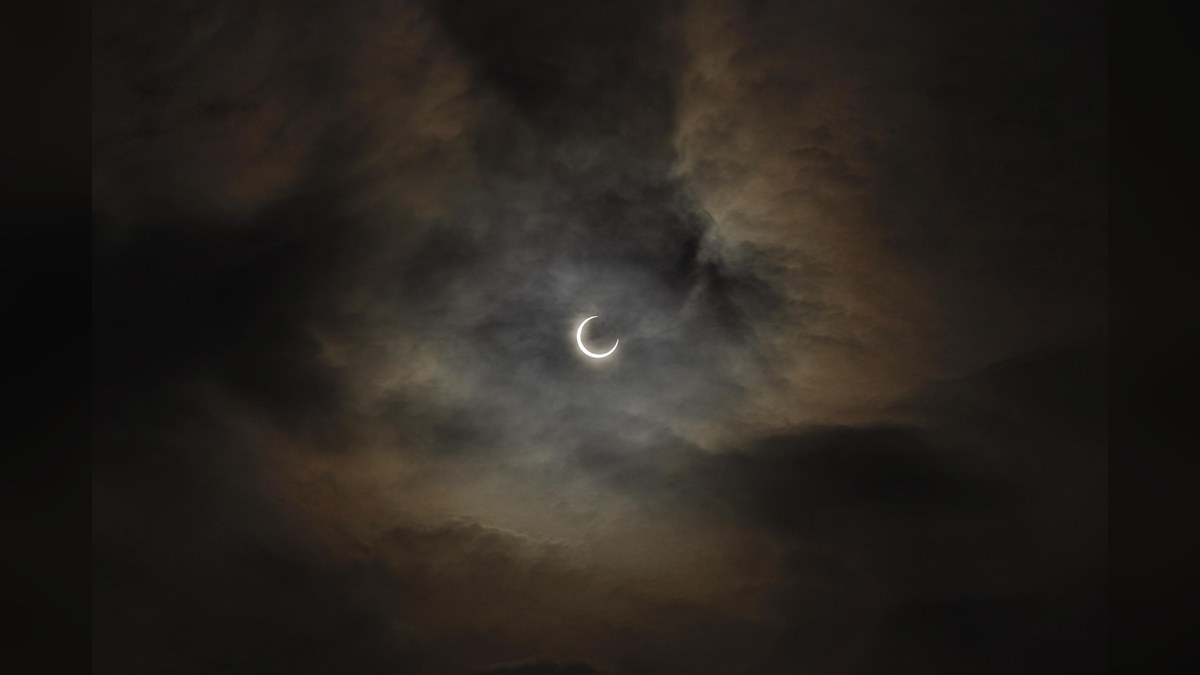
total solar eclipse, 2012, japan, total solar eclipse, total solar eclipse, total solar eclipse, 2012, 2012, 2012, 2012, 2012 — Photo: Photo by opapaty on Pixabay
Spain's Eclipse Tourism Strategy: Two Minutes of Darkness to Draw Crowds Inland
Spain is turning a rare celestial event into a three-year tourism strategy. With three eclipses expected before 2028, the country sees a low-cost opportunity to redirect visitor flows toward lesser-known inland destinations.
According to skift.com, the strategy comes after a difficult summer for Spanish tourism. Heatwaves pushed temperatures above 100 degrees Fahrenheit on multiple days, and deadly wildfires — partly linked to the heat — forced tens of thousands of people to evacuate.
Now Spain faces a new challenge: a total eclipse passing over the country on August 12. The event could intensify overtourism concerns, especially in popular coastal areas.
‘We haven’t promoted the eclipse,’ said Miguel Sanz, president of the European Travel Commission and general director of the Spanish Tourism Institute (Turespaña). ‘We’re all crossing our fingers not to be overwhelmed by local domestic and international travelers wanting to go everywhere, especially with the wildfires.’
Despite the caution, tourism leaders see a silver lining. The eclipse is expected to draw visitors to destinations far from the saturated Mediterranean coast, helping to spread the benefits of tourism across the country.
For travelers, this means a chance to experience Spain beyond the usual beach hotspots. Inland regions — often overlooked — could see a surge of visitors eager to witness the two minutes of darkness.
Spain’s approach highlights a growing trend in global tourism: using natural phenomena to manage visitor numbers and promote sustainable travel. By not actively marketing the eclipse, authorities hope to avoid overwhelming infrastructure while still reaping economic rewards.
The strategy also reflects a broader shift toward ‘slow tourism’ and regional dispersal, a model that Brazil has embraced in its own ecotourism push. As destinations worldwide grapple with overtourism, Spain’s eclipse plan offers a creative, low-cost alternative.
For now, all eyes are on August 12. Whether the eclipse becomes a turning point for Spanish tourism or a logistical headache remains to be seen. But one thing is certain: the celestial show is putting inland Spain on the map.