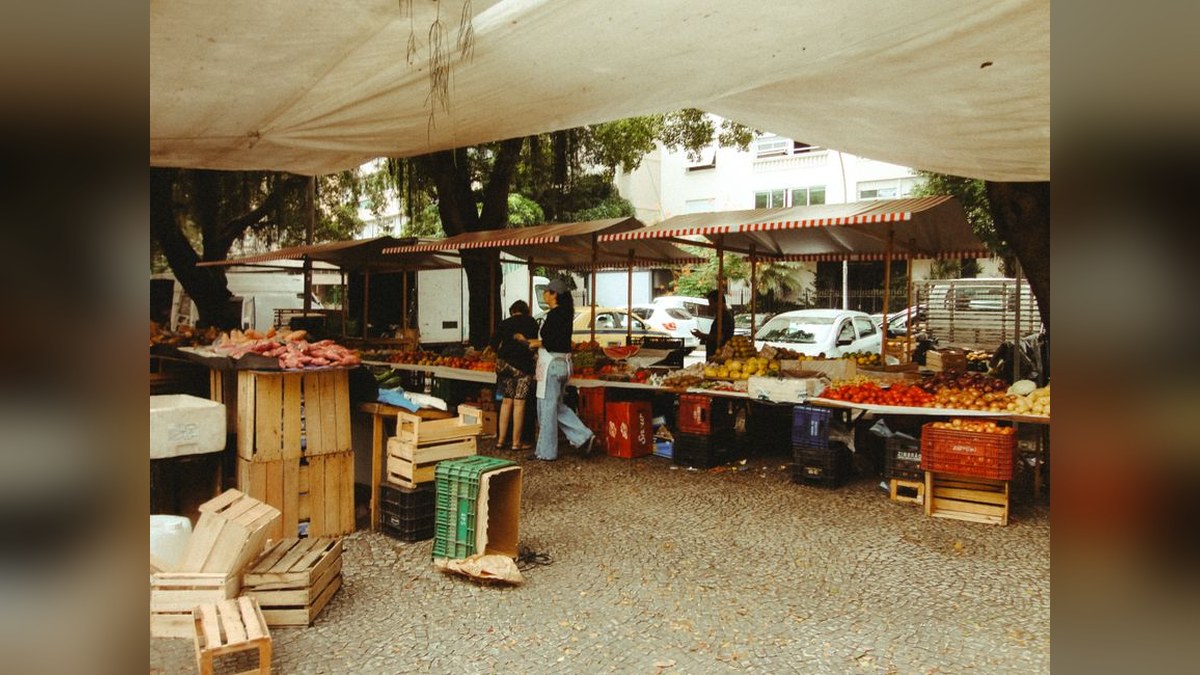
Why Food Tours Beat Beaches for Discovering Rio de Janeiro — Photo: Photo by Jonathan Borba on Pexels
Why Food Tours Beat Beaches for Discovering Rio de Janeiro
Rio de Janeiro dazzles with its beaches, but the city’s true flavor lies in its food. That’s the message from Tom Le Mesurier, a British-Brazilian guide whose Eat Rio Food Tours have won over travelers, including the famously sophisticated friend of Forbes contributor David Hochman.
Le Mesurier first appeared on the Netflix series ‘Somebody Feed Phil’ (Season 4, Episode 1), where he served as Phil Rosenthal’s unofficial food guru. Now, he’s building a reputation for taking visitors into Rio’s quieter, tastier corners—vibrant markets, old-school botequins, and under-the-radar açai counters.
According to forbes.com, Hochman’s friend tasted everything from rare Amazonian fruits to bite-sized squares of tapioca flour dough still warm from the pan. The experience, he said, felt less like a tour and more like meeting up with an old friend who can’t wait to show you why his favorite city tastes so good.
An Outsider’s Perspective
Le Mesurier is candid about his status: ‘Officially speaking, I am now British-Brazilian. I went through the process of naturalization about five years ago.’ He acknowledges that his Portuguese is fluent but that he’ll never lose his accent, and in the eyes of most Brazilians, he’ll always be a foreigner.
That outsider status, he argues, is an asset. ‘While my Brazilian colleagues can recount childhood memories of family churrascos, they almost certainly can’t remember the first time they tried feijoada,’ he told Forbes. Since most of his guests are also outsiders, he can identify with their first-time experience in a way a born-and-raised Brazilian can’t.
Breaking Through the Fear
Rio has a reputation for danger, but Le Mesurier insists it’s also undeniably marvelous. ‘It’s a dazzling city of contradictions,’ he says. ‘It’s simultaneously beautiful and ugly, hilarious and tragic, depressing and frustrating at times, but also inspiring and uplifting.’
Visitors often arrive expecting a war zone, only to discover the warmth and kindness of locals at street markets. ‘They see jovial octogenarians buying groceries, children sharing a joke on their way to school, mothers pushing buggies and realize it’s not nearly as terrifying a place as they had been led to believe,’ he explains. He doesn’t want to airbrush out the dangers, but he believes many visitors need their image of Rio ‘majorly readjusted in a positive direction.‘
A 24-Hour Rio Itinerary
If you only have a day in Rio, Le Mesurier steers you to the daily feiras (street markets), which run every morning from 7 am to 12 pm. These are a riot of exotic fruits and delicious street food, and a great way to connect with locals.
In the afternoon, he recommends a stroll through the bohemian neighborhood of Santa Teresa, with its cobbled streets, stunning views, and artsy vibe—far more interesting, in his opinion, than the hotel-lined beaches.
For a mind-blowing dish, he sends visitors to Yayá Comidaria to try moqueca baiana, a rich seafood stew flavored with coconut milk and red palm oil. ‘I’ve seen hundreds (possibly thousands) of people declare it their favorite Brazilian dish,’ he says.
The Magic of Slowing Down
Le Mesurier warns against rushing through Brazil. A three-day whistle-stop tour will let you tick off sights, but you’ll miss the real magic. ‘Brazilian food and culture can’t be rushed,’ he says. His tours give guests a great start, but to truly ‘get it,’ you need to slow down—spend an afternoon snacking and drinking in a bar, watch people pass in the street, notice how waiters interact with customers.
‘There’s something beautiful about the way people treat each other here, but you could miss it if you’re constantly rushing off to see the next must-see highlight.‘
What’s Next for Eat Rio
Le Mesurier’s plans for expansion were delayed by the pandemic and fatherhood (he has twin boys), but things are moving again. Together with sommelier Marcela de Genaro, he launched the Brazilian Wine Experience, an indulgent afternoon of Brazilian wines paired with food and conversation.
Soon, they’ll launch a dedicated tour of the botecos of Tijuca, Rio’s ‘criminally overlooked heartland of eating, drinking and samba.’ Later in the year, they’ll open food tours in other popular destinations across Brazil.
For travelers seeking the soul of Rio, Le Mesurier’s advice is simple: eat your way through it. As he told Forbes, ‘The best way to know Brazil is by taking a great big bite.’