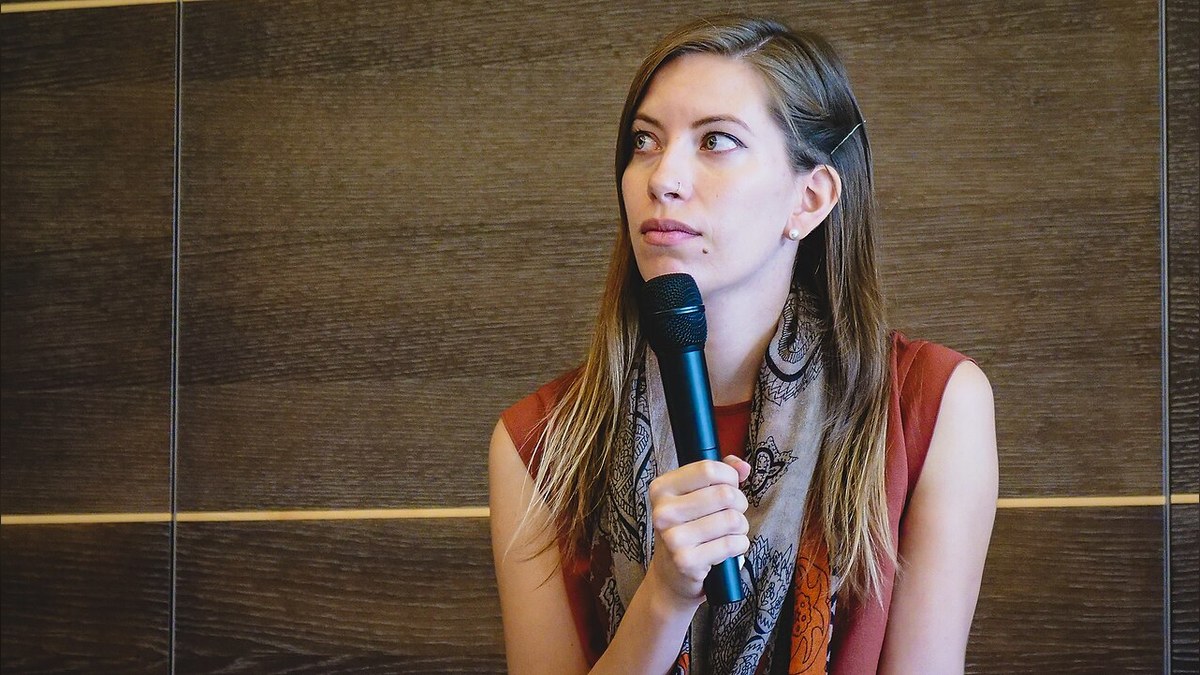
Audrey Bergner is a Canadian travel media executive and a 2014 White House Summit delegate. In this photo, she is participating as a featured speaker at the Social Travel Summit, an industry event for top-tier digital cr — Photo: Wikimedia Commons (CC BY-SA 4.0) — Samueljefferymedia
Substack Renaissance in Travel Media: A Catch for Writers
The world of travel media is experiencing a welcome shift. According to Skift, a growing share of the most useful travel writing now comes from independent newsletters on Substack. These are written by passionate fans with educated viewpoints and former editors who have taken their refined taste into a medium that allows them to be more authentically themselves.
Thanks to algorithmic distribution, even a small, homespun newsletter can quickly find its ideal audience. This mirrors the dynamics of other interest-graph driven platforms, where niche content connects with the right people without the need for massive marketing budgets.
The economics are starting to work on both sides of the equation. For writers, an engaged audience willing to read—or better yet, pay for—their thoughts can turn a side hustle into a full-time career. For hotels, a newsletter with 10,000 engaged subscribers who actually book trips is often more valuable than a glossy feature seen by millions who are only at the awareness stage of the funnel.
Colin Nagy, a marketing strategist who writes on customer-centric experiences and innovation across the luxury sector, hotels, and aviation, highlights this trend in his Skift column. He notes that these insights and reviews index well, making them a powerful tool for both travelers and industry professionals.
However, there is a catch. The freedom of Substack comes with challenges. Writers must navigate the pressure to produce quick takes, but the best ones embrace the freedom and avoid that trap. They focus on depth and perspective, honed from years of experience, rather than chasing fleeting trends.
For travelers, this means a richer landscape of voices and perspectives. Instead of relying on a few major publications, readers can now follow independent writers who offer unique angles on destinations, hotels, and experiences. This democratization of travel media is a boon for those seeking authentic, informed recommendations.
For the travel industry, the implications are significant. Hotels and destinations can now partner with niche newsletters to reach highly engaged audiences. A recommendation from a trusted independent writer can carry more weight than a traditional advertisement or a feature in a mass-market magazine.
Yet, the model is not without its risks. The sustainability of independent newsletters depends on the willingness of readers to pay for content. While some writers have successfully monetized their newsletters, others may struggle to find a viable business model. The catch, as Nagy suggests, is that the freedom of Substack requires writers to be disciplined and strategic.
In conclusion, the Substack renaissance in travel media is a positive development, offering new opportunities for writers, readers, and the industry alike. But it comes with a catch: the need to balance freedom with focus, and to build a sustainable model in a crowded and ever-changing landscape. As this trend continues to evolve, it will be fascinating to see how independent travel media shapes the way we explore the world.